The Core Transmission Foundation for Industrial, Commercial, and Critical Infrastructure Projects
From duct and direct burial to aerial and ADSS — engineered optical cable solutions for every deployment environment, with proven reliability across harsh conditions worldwide.
A system engineering infrastructure category — not just a cable product
Outdoor optical cable is one of the core transmission media in modern communications, security, industrial connectivity, campus networks, energy infrastructure, and smart city systems. It is not an isolated cable product, but a typical system-engineering infrastructure category.
In real-world projects, the value of optical cable is not just about "whether it can transmit optical signals," but also whether it is suitable for on-site installation methods, whether it can withstand long-term mechanical stress and environmental corrosion, and whether it can match link distances, fiber counts, and future capacity expansion.
Provides high-bandwidth, strong anti-interference basic transmission channels for various systems
Serves as the long-term base for surveillance, data acquisition, industrial control, campus networks
Reserves capacity for future upgrades to higher bandwidth, more fiber cores, and more complex architectures
Wrong cable selection can cause communication outages, surveillance failures, repeated excavation
Organized by installation method, structure type, protection capability, fiber count, and industry application
Duct · Direct Burial · Aerial · ADSS · Figure-8 · Micro Duct
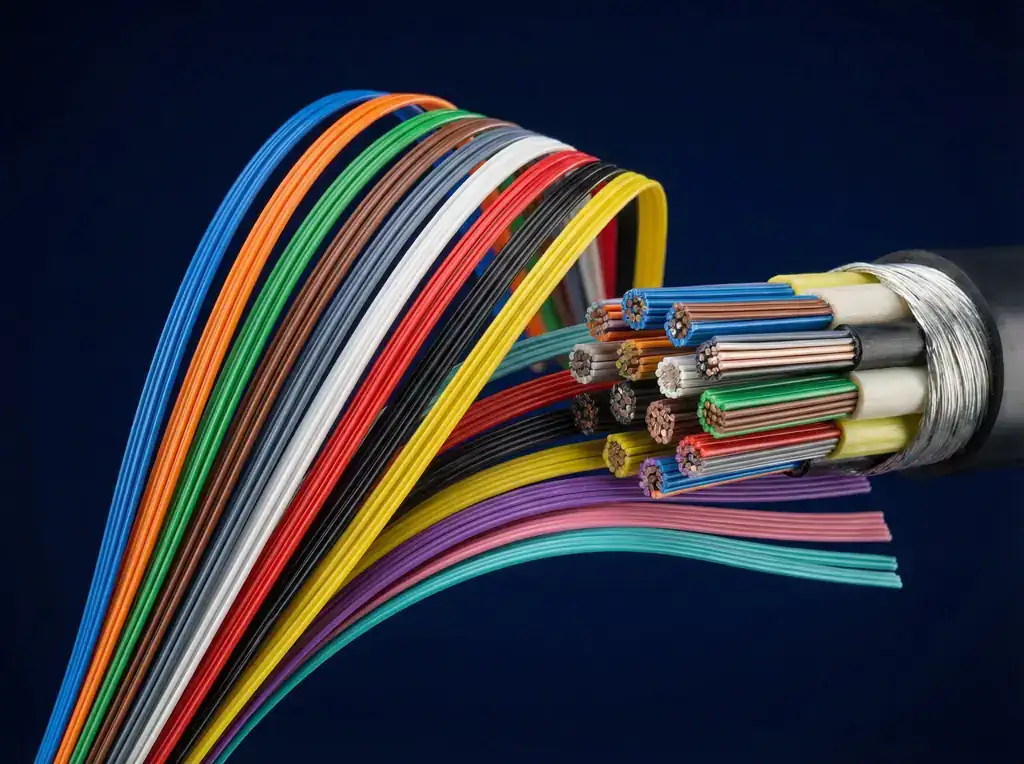
Loose Tube · Central Tube · Ribbon · Dry Core · Gel-Filled
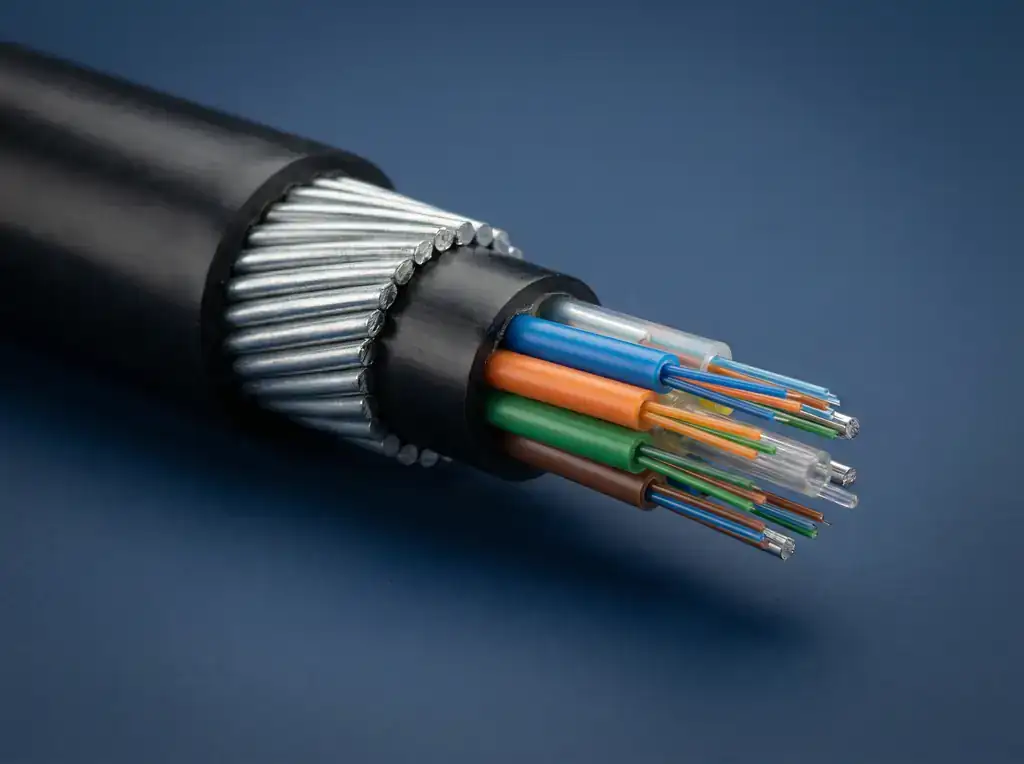
Armored · Double-Sheathed · Anti-Rodent · Anti-Corrosion · Flame-Retardant
Access · Aggregation · Backbone · Power · Industrial · Port · Tunnel · Rural · Campus
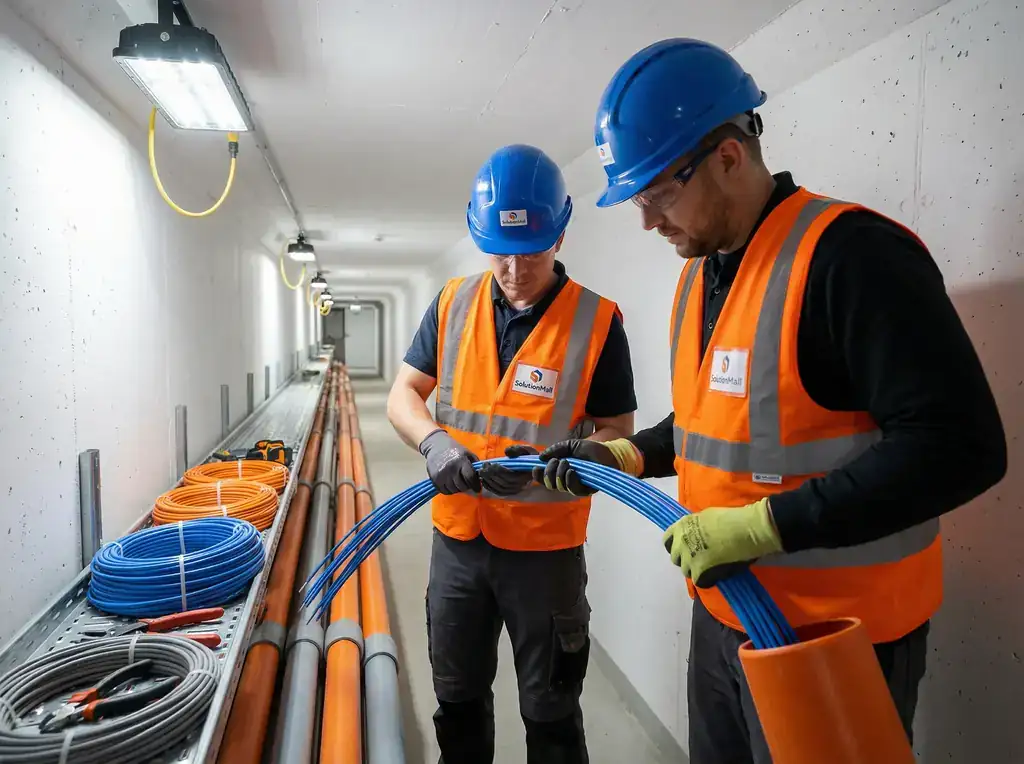
For communication conduits, weak current conduits, and underground utility networks. Typical products: GYTA, GYTS.
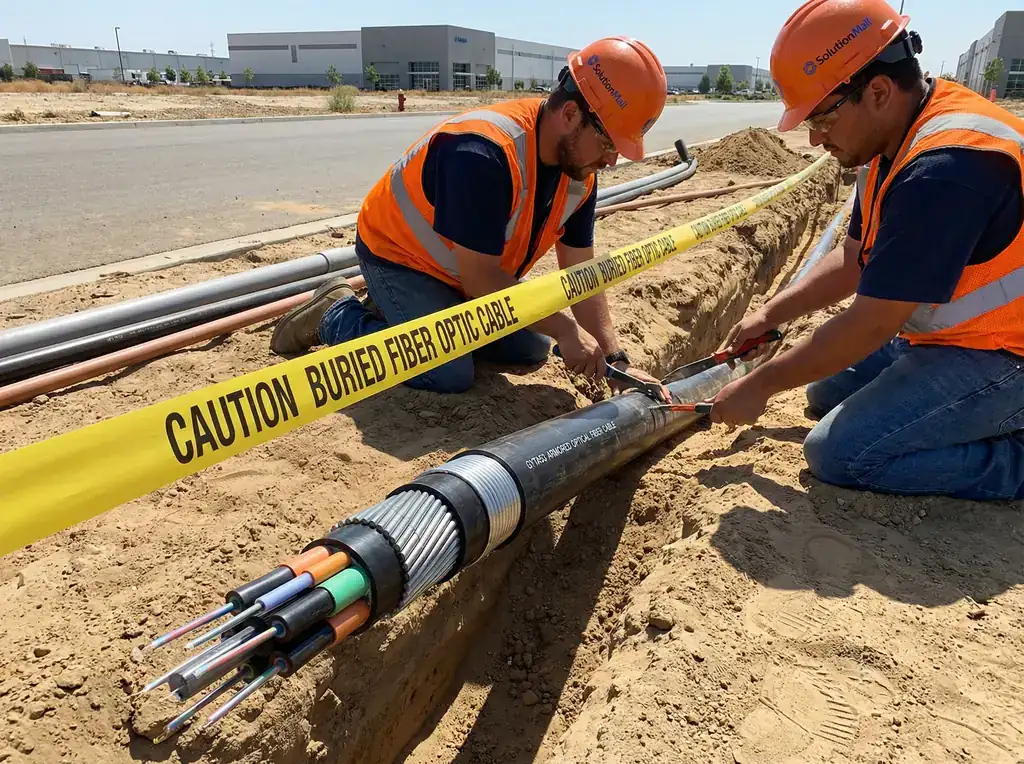
Directly buried in soil, reducing additional conduit costs. Typical products: GYTA53, GYTS53.
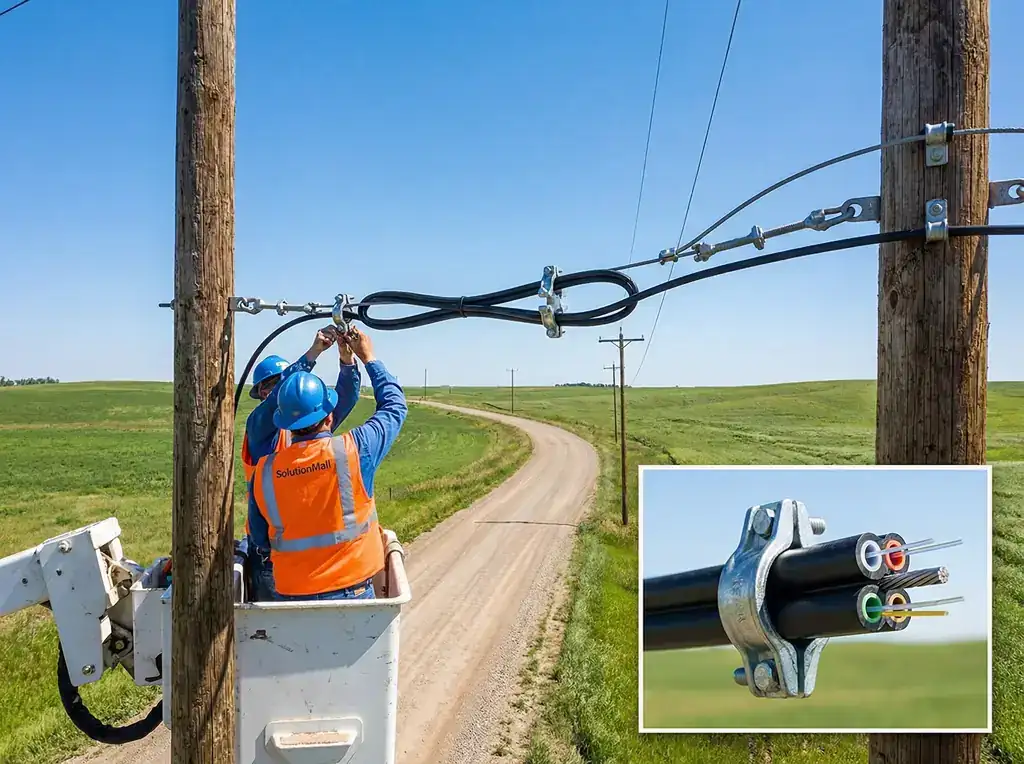
For pole routes, road crossings, along walls, and rural communication lines. Typical products: GYXTW, Figure-8.
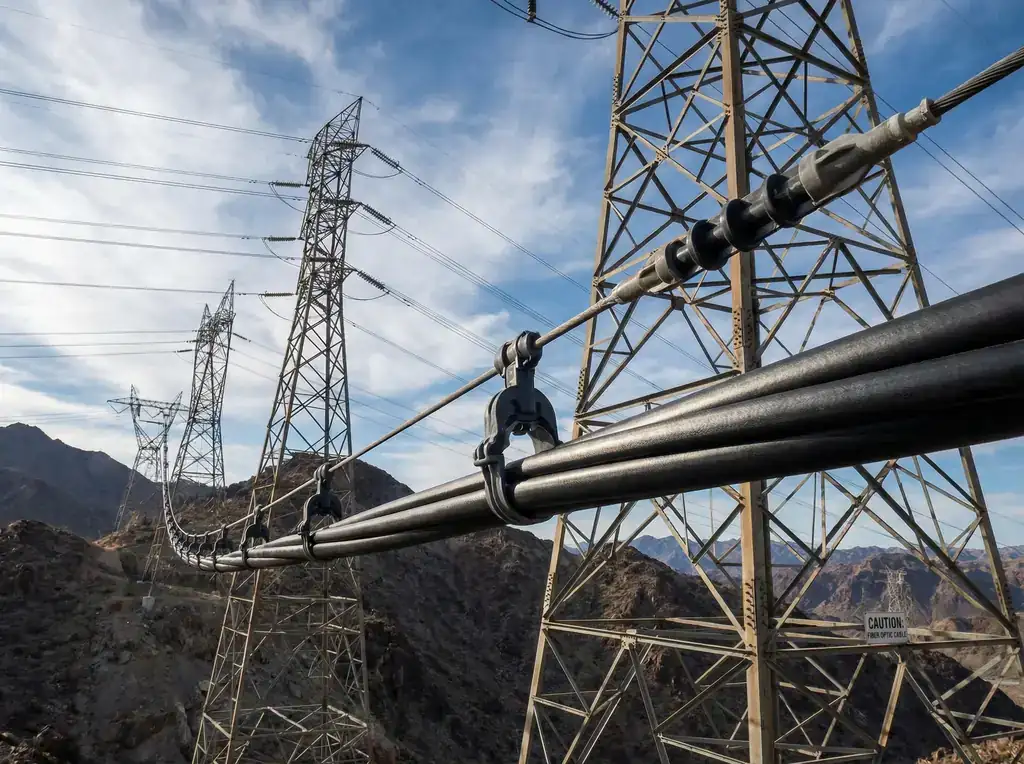
All-dielectric self-supporting, suitable for power lines and high electromagnetic environments. Short/medium/long span variants.
Integrated load-bearing structure for easy pole route aerial installation. Ideal for rural and low-cost aerial routes.
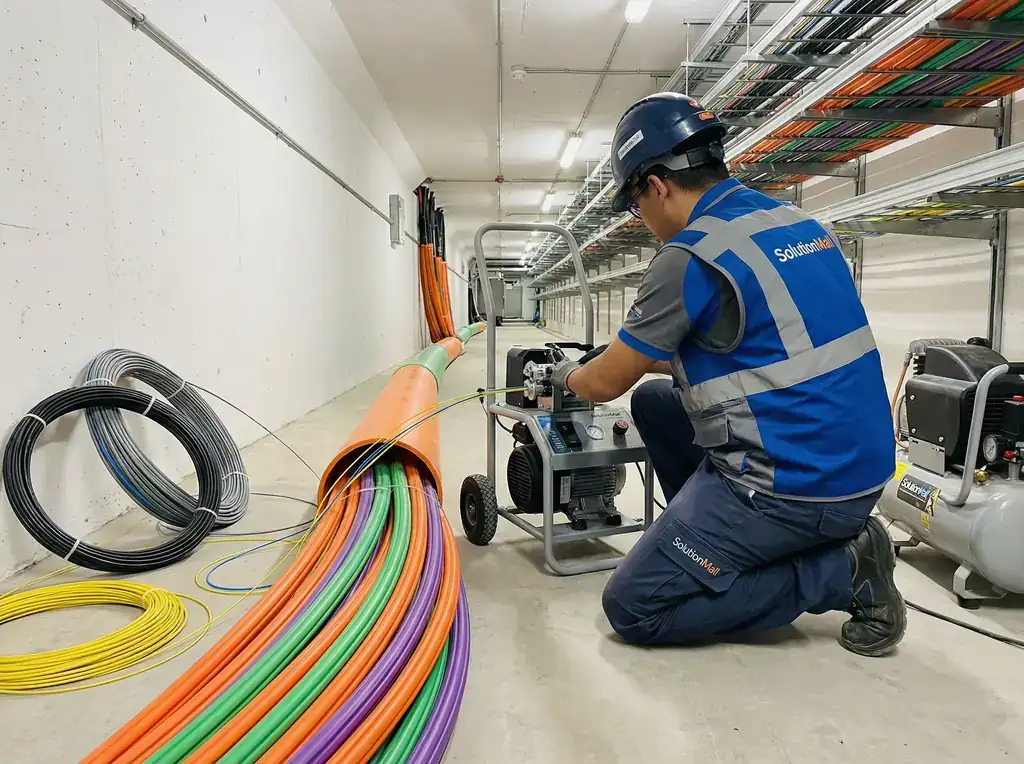
For high-density conduits, future expansion, and rapid blown installation. Used in data center campuses and dense urban underground conduits.
Suitable for larger fiber counts and higher mechanical strength outdoor scenarios. Typical products: GYTA, GYTS.
Compact structure, suitable for small to medium fiber counts. Typical products: GYXTW, center tube cable.
For high fiber count, high-density splicing and rapid fusion. Used in backbone networks and large splice points.
Eliminates gel cleaning work, improves installation efficiency. Ideal for frequent splicing and rapid deployment projects.
Enhanced moisture and water resistance. Used in high humidity, manholes, and water-prone areas.
Enhanced crush resistance, bite protection, and mechanical damage resistance. Steel tape armor, steel wire armor, double armor variants.
Prevents rodent damage causing fiber interruption. Glass fiber reinforced and steel tape anti-rodent variants.
Adapts to salt spray, acid-alkali, and chemical corrosion environments. PE special sheath, corrosion-resistant sheath cables.
Reduces fire spread risk. Used in utility corridors, tunnels, factories, and semi-outdoor facilities.
| Network Layer | Typical Fiber Count | Application |
|---|---|---|
| Access Layer | 2F / 4F / 6F / 8F / 12F | Camera aggregation, edge boxes, branch access |
| Aggregation Layer | 12F / 24F / 36F / 48F | Building aggregation, zone aggregation boxes, sub-control centers |
| Backbone Layer | 24F / 48F / 72F / 96F / 144F+ | Campus backbone, core room interconnection, metro nodes |
Oil contamination, vibration, corrosion, temperature fluctuation resistance
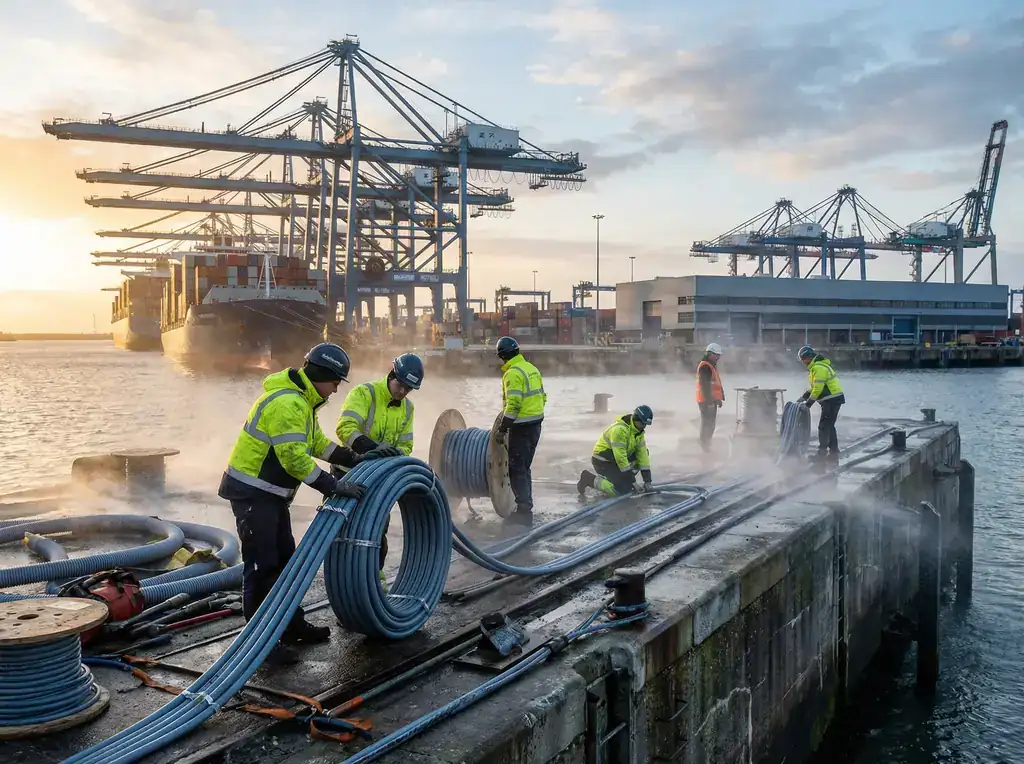
High salt spray, high humidity, high wind load environments
Adapts to power corridors and high electromagnetic environments
Narrow enclosed spaces with maintenance requirements
Cost, reliability, and long-distance deployment balance
Unified base for video, access control, broadcast, network, and weak current
Each scenario clearly defines which cable to use and why
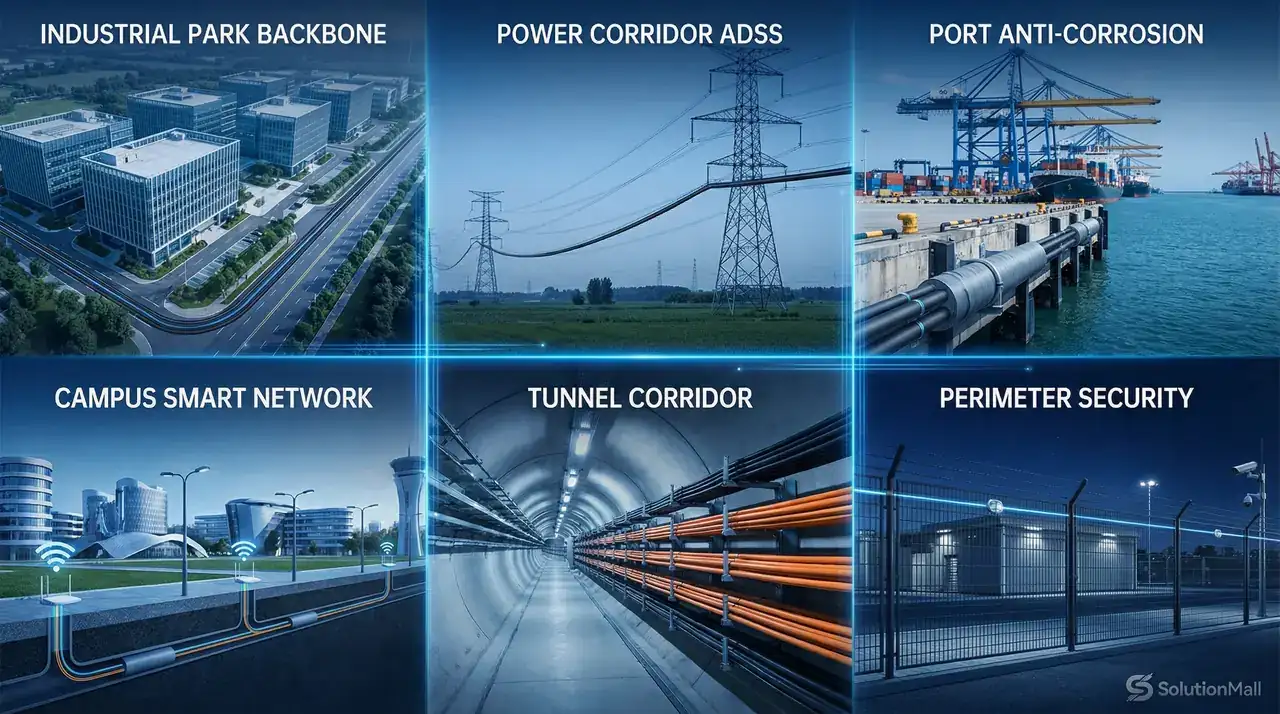
Multi-building, multi-system backbone transmission. Recommended: GYTA, GYTS, GYTA53 (24–144 cores)
Learn More →
Cross-road, buried ground, vehicle load and backfill impact. Recommended: GYTA53, GYTS53
Learn More →
Existing pole routes, fast deployment, cross-road or cross-area. Recommended: Figure-8 Cable, GYXTW
Learn More →
Adjacent to high voltage, complex electromagnetic environment. Recommended: ADSS Optical Cable
Learn More →
High salt spray, high humidity, strong UV. Recommended: Anti-Corrosion PE Sheath Cable
Learn More →
Acid-alkali, volatile media, temperature variation. Recommended: Anti-Corrosion Double-Sheathed Cable
Learn More →
Many perimeter points, long span, hard to maintain. Recommended: 4/8/12F Access + 24/48F Backbone
Learn More →
School, hospital, government campus multi-system. Recommended: 12/24/48F Building & Campus Trunk
Learn More →
Narrow enclosed space, high humidity, fire safety requirements. Recommended: Flame-Retardant Anti-Rodent Cable
Learn More →
Long distance, limited civil works, slow maintenance response. Recommended: GYTS53, Figure-8, ADSS
Learn More →
Long perimeter, many cameras, frequent road crossings. Recommended: GYTA53, GYTS, Double-Sheathed Armored
Learn More →
Cannot accept prolonged interruption, multi-system linkage. Recommended: Dual-Route 24–96F Armored Backbone
Learn More →Each solution can be opened independently with a unique URL
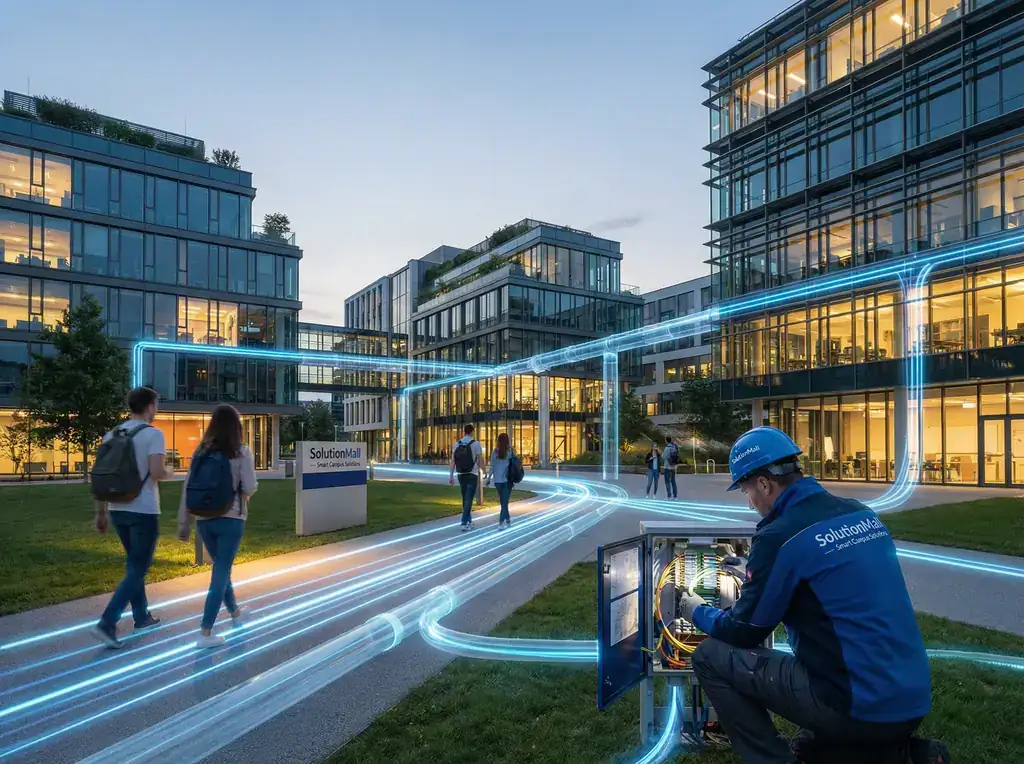
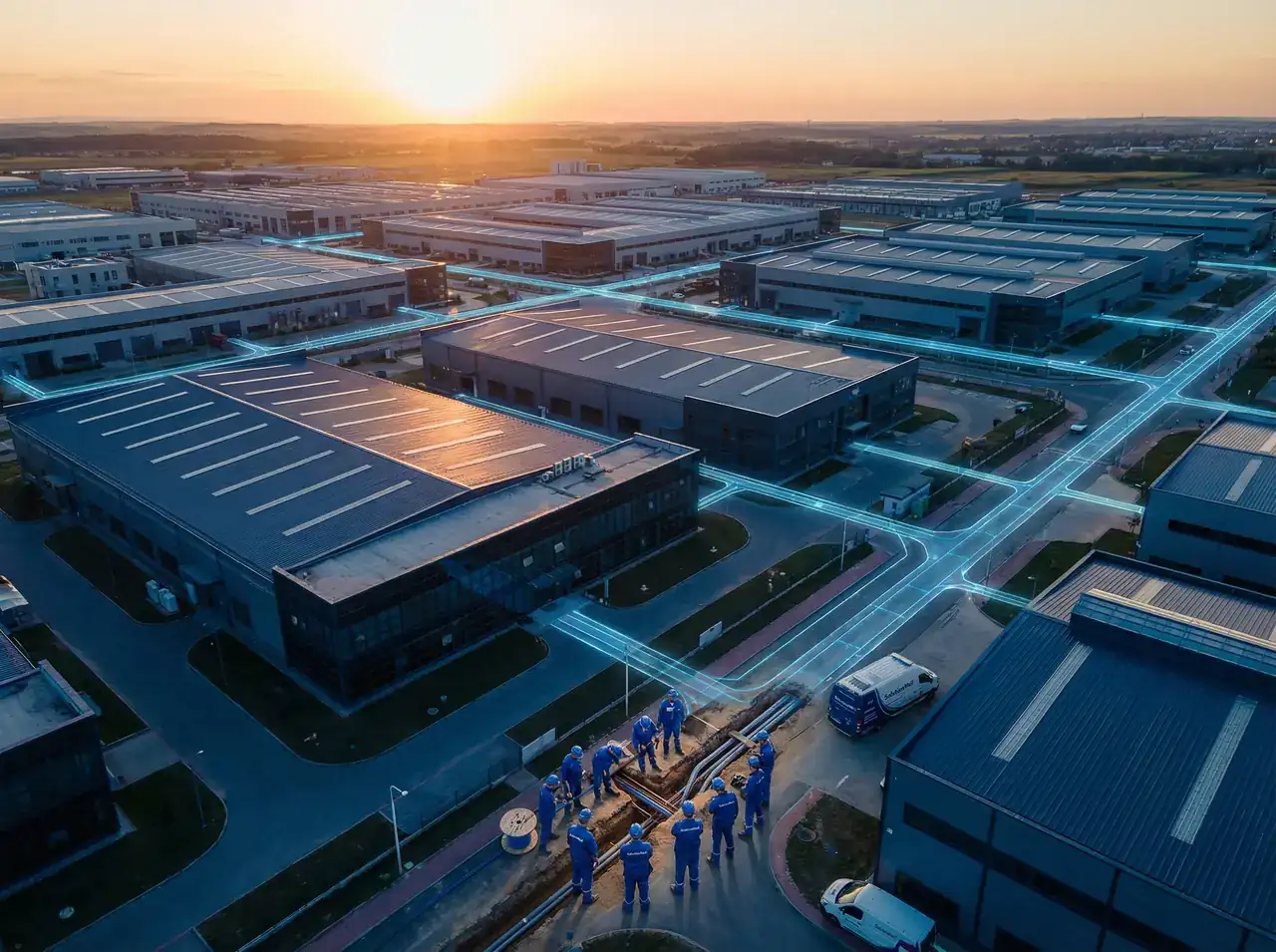
Unified scalable campus optical cable infrastructure for industrial, tech, and logistics parks
View Solution →
Long-term stable underground cable solution for factory roads, campus roads, and perimeter security
View Solution →
Fast, economical aerial connectivity for rural areas and remote sites without underground conduit
View Solution →
All-dielectric self-supporting solution for power transmission lines and substations
View Solution →
Anti-corrosion solution for high salt spray, high humidity port and coastal environments
View Solution →
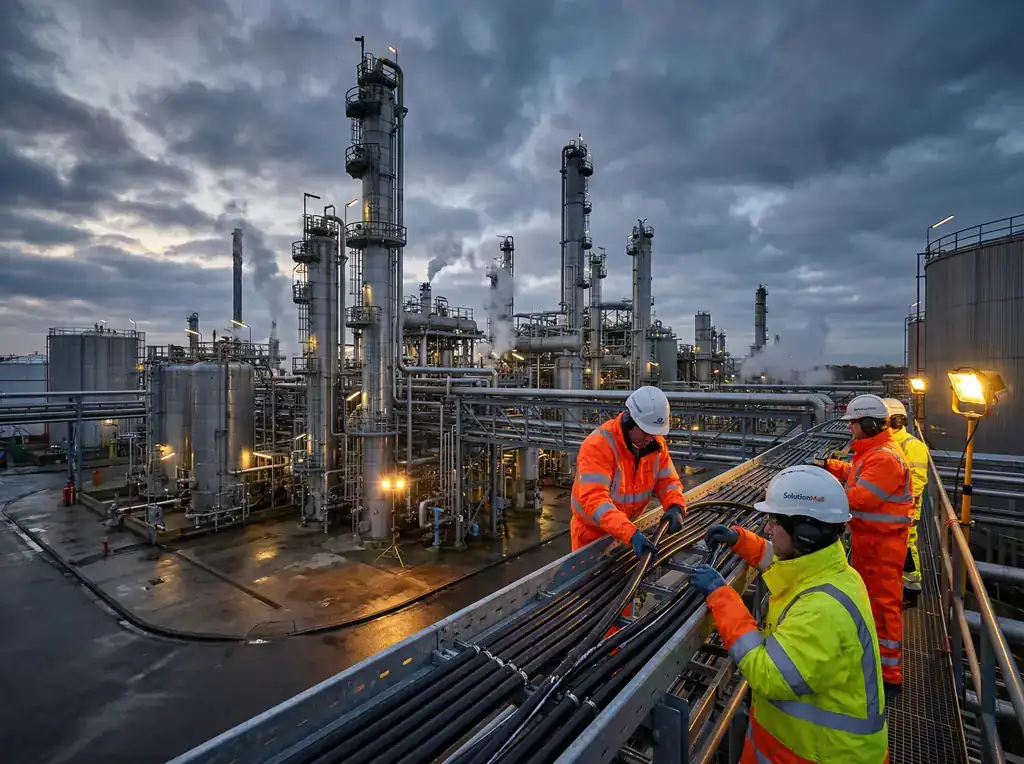
Industrial-grade corrosion-resistant cable solution for chemical plants and wastewater facilities
View Solution →
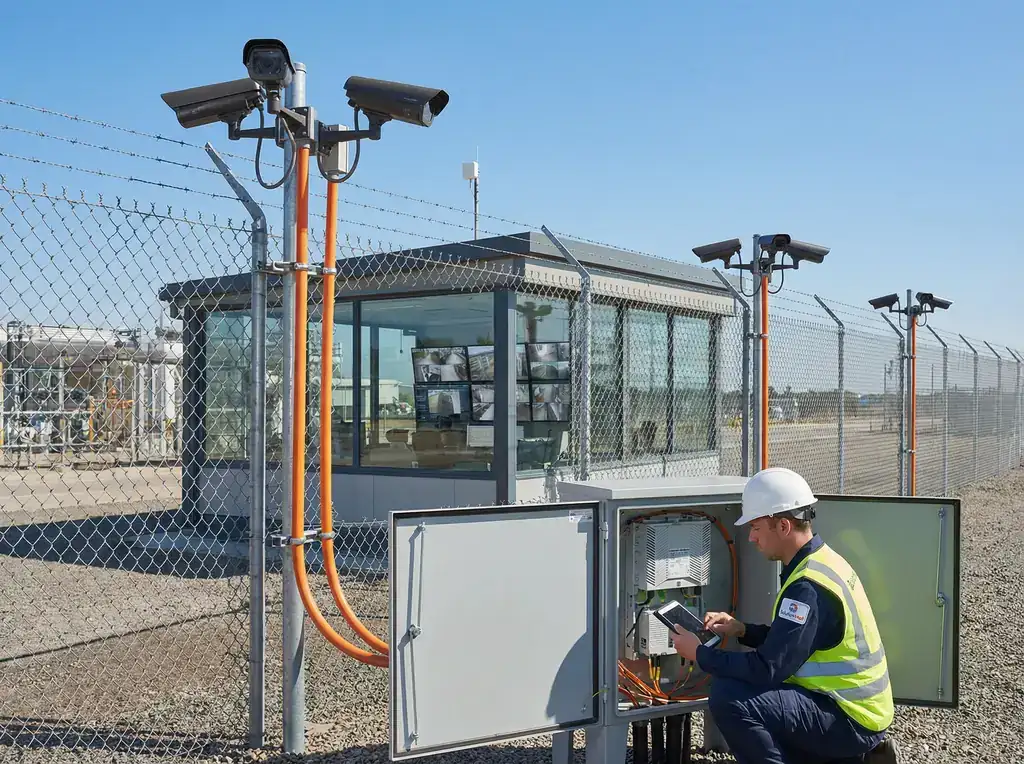
Zoned aggregation fiber backhaul solution for factory and campus perimeter security systems
View Solution →
Unified backbone solution for schools, hospitals, and large campus smart infrastructure
View Solution →
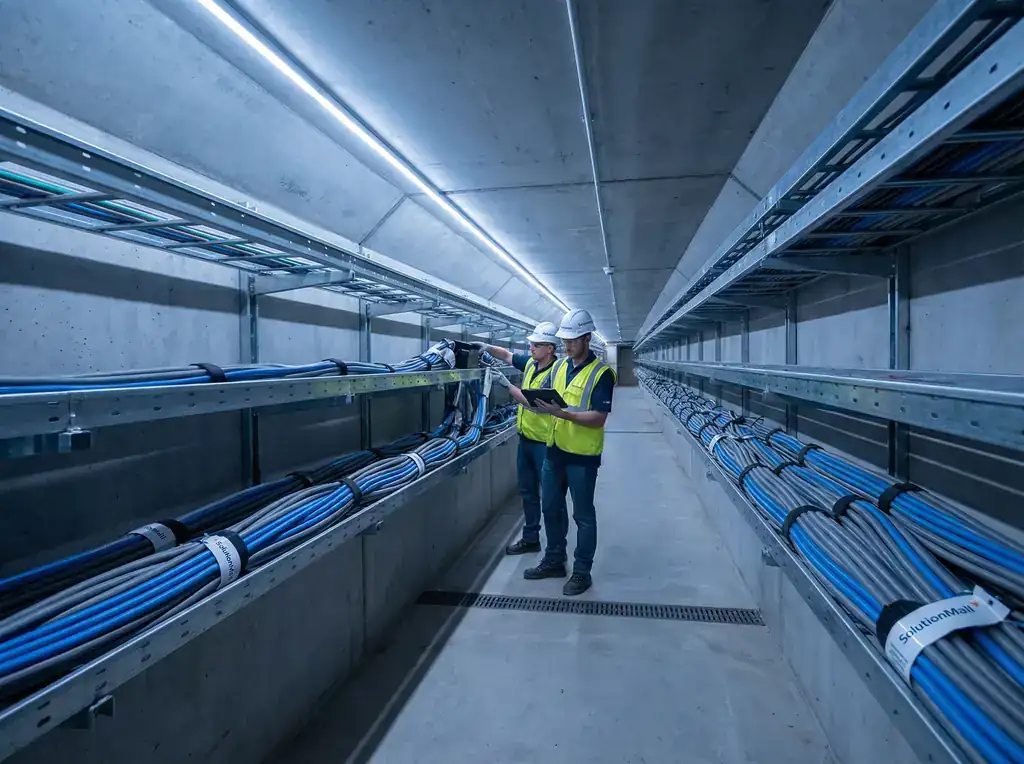
Flame-retardant, anti-rodent, moisture-proof solution for tunnels and utility corridors
View Solution →
Dual-route redundant backbone solution for critical infrastructure that cannot tolerate single-point failure
View Solution →Four-layer decision framework for professional cable selection
Get the complete professional selection guide with step-by-step decision framework, risk matrix, fiber count tables, and common misconceptions.
View Complete Selection Guide →Professional engineering calculators for optical cable infrastructure planning
Calculate required fiber cores based on devices, zones, and systems. Covers access, aggregation, and backbone layers.
Calculate optical power budget for fiber links. Verify transceiver compatibility and identify over-budget links.
Recommend protection level based on burial depth, vehicle load, water table, and rodent risk.
Determine maximum safe span and cable type for aerial installations based on wind load and installation type.
Additional calculators available: Lifecycle Cost Calculator, Fiber Reserve Calculator, and Environment Risk Matching Calculator — available on the full calculator pages.
"The core value of optical cable is not 'transmitting the signal,' but ensuring the system transmits stably, reliably, and maintainably over the long term."
"Outdoor optical cable is first a systems engineering problem, not a single cable procurement issue. Routes, splicing, patch panels, maintenance, and labeling equally determine success."
"Many projects fail not because cable specs are insufficient, but because of wrong scenario judgment. Duct, direct burial, aerial, coastal, rodent, and power environments cannot be treated the same."
"Low price does not equal low cost. For buried backbone and critical links, the cost of emergency repair, downtime, and repeated excavation often far exceeds the purchase price difference."
"The most common backbone cable mistake is not buying too expensive, but buying too few, too light, or the wrong type."
"Lifecycle management is more important than one-time procurement. Whether you can test, expand, and locate faults determines the long-term operational quality of the project."
The commercial value of an optical cable system only truly materializes within a complete supporting ecosystem
Tell us about your project scenario, installation environment, fiber count requirements, and timeline. Our technical team will provide professional selection recommendations and solution support.